
Blog
Research Peptides vs Peptide Therapy: Is Buying Peptides Online Safe?

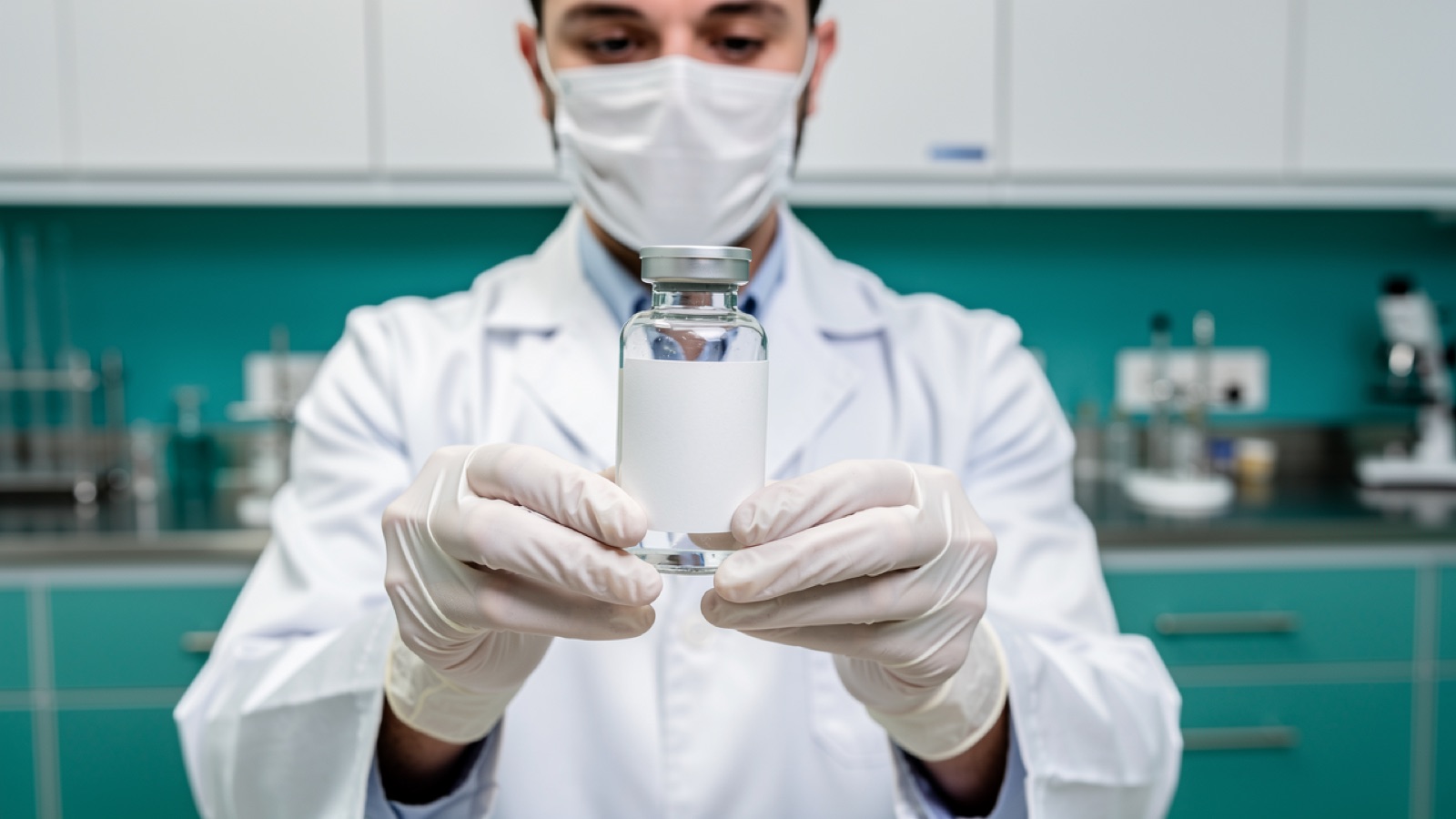
Is it safe to buy peptides online? In most cases, no. "Research peptides" sold online are labeled for laboratory use only, are not made for people, and are not checked by a pharmacy for purity, sterility, or accurate dosing. Prescribed peptide therapy is different: a licensed provider evaluates your health, a licensed pharmacy prepares the product for you specifically, and your progress is monitored. Interest in peptides has roughly doubled across Texas over the past year, so the medical team at Healthy Living Medical in Texarkana put together this guide to what peptides are, why the source matters, and what to ask before you start.
What are peptides?
Peptides are short chains of amino acids, the same building blocks that make up proteins. Your body makes thousands of them, and many act as signals that tell cells what to do: release a hormone, repair tissue, calm inflammation, or regulate appetite. Peptide therapy uses specific peptides, natural or lab made, to support one of those signals.
Some peptides are well established, FDA approved medications. Semaglutide and tirzepatide are peptides. So is tesamorelin (approved to reduce abdominal fat in adults with HIV related lipodystrophy) and bremelanotide, also called PT-141 (approved for low sexual desire in certain premenopausal women). Many other popular peptides, such as BPC-157, TB-500, and GHK-Cu, have promising early research but have not been approved for human use.
What is peptide therapy?
Peptide therapy is a medically supervised plan that uses one or more peptides to support a goal such as weight management, recovery, sleep, energy, or healthy aging. A legitimate program includes a health history, often lab work, a prescription from a licensed provider, a product from a licensed pharmacy, clear dosing instructions, and follow up visits to see how you are responding.
What are "research peptides"?
Research peptides are products sold online, often through social media and influencer codes, with labels like "for research use only" or "not for human consumption." Over the past year, Google searches for new online peptide brands have surged in Texas and Arkansas, along with searches like "how much bac water for 10mg retatrutide" and "retatrutide dosage calculator." That tells us a lot of people are mixing and dosing these products at home without guidance.
Why the source of your peptides matters
- Purity is unverified. Independent testing of online peptides has found products that were underdosed, overdosed, or contained the wrong compound entirely.
- Sterility is not guaranteed. Anything injected under the skin should be made in a sterile environment. Research products have no such requirement, which raises the risk of infection and reactions.
- Dosing is guesswork. Reconstituting a powder with bacteriostatic water and calculating units in a syringe is easy to get wrong, and mistakes compound week after week.
- Counterfeits are common. High demand for drugs like retatrutide has brought counterfeit products into the market.
- No one is watching your health. Without a provider, there is no one checking your labs, screening for interactions, or noticing early warning signs.
Are peptides legal and FDA approved?
It depends on the peptide. Some are FDA approved drugs. Others sit in a regulatory gray zone. In April 2026 the FDA removed BPC-157 and several other peptides from its "Category 2" list of substances it had flagged as a safety concern for compounding. That change is not an approval, and it does not by itself make those peptides cleared for routine compounding. Rules in this area are actively changing, which is one more reason to work with a provider who follows the current guidance and will tell you which category each peptide falls into.
Prescribed peptide therapy vs research peptides
- Who decides what you take: a licensed provider after reviewing your health, versus you, based on online content.
- Where it comes from: a licensed pharmacy that prepares it for you as a patient, versus a website that sells it as a lab chemical.
- Quality checks: pharmacy standards for sterility and potency, versus none required.
- Dosing: written instructions and adjustments, versus calculators and forums.
- Monitoring: follow up visits and labs when appropriate, versus nothing.
Popular peptides people ask about
- BPC-157 and TB-500: studied mainly in animals for tendon, ligament, muscle, and gut healing. Human data is limited.
- CJC-1295, ipamorelin, and sermorelin: encourage your body to release more of its own growth hormone, which may support sleep, recovery, and body composition.
- GHK-Cu: a copper peptide studied for skin, collagen, and hair.
- NAD+: technically a coenzyme rather than a peptide, used to support cellular energy and healthy aging.
- AOD-9604, MOTS-c, and tesamorelin: used in weight and metabolism plans.
You can see the full list of peptides we work with, grouped by goal, on our peptide therapy page.
Questions to ask before starting any peptide
- Is this peptide FDA approved, and if not, what does the current evidence in humans show?
- Which pharmacy prepares it, and is that pharmacy licensed?
- Do I need lab work before starting or during treatment?
- What side effects should I watch for, and who do I call if they happen?
- How will we know if it is working, and when should I stop?
Peptide therapy at Healthy Living Medical in Texarkana
Every peptide plan at Healthy Living Medical starts with a complimentary consultation and health assessment. We talk through your goals, explain what is known and not yet known about each option, and only recommend what makes sense for you. Peptides often work best as one part of a bigger plan, alongside programs like our GLP-1 weight loss program or men's TRT program.
Frequently asked questions
Is it legal to buy research peptides?
Sellers market them as lab chemicals not intended for human use. Buying them for personal injection puts all of the safety risk on you, with no pharmacy or medical oversight.
What is the best peptide for weight loss?
The peptides with the strongest evidence for weight loss are the FDA approved GLP-1 medications, semaglutide and tirzepatide. Other peptides may support metabolism as part of a supervised plan.
How long does peptide therapy take to work?
It varies by peptide and goal. Some people notice changes in sleep or energy within a few weeks, while recovery and body composition goals usually take a few months.
Do I need a prescription for peptide therapy?
Yes. Legitimate peptide therapy is prescribed by a licensed provider and prepared by a licensed pharmacy.
Get answers from a real provider
If you have been looking at peptides online, bring your questions to us first. Schedule a complimentary consultation at Healthy Living Medical, 4112 McKnight Rd, Texarkana, TX 75503, or call (903) 716-5925.
This article is for educational purposes and is not medical advice. Some peptides discussed here are not FDA approved for the uses described.
Read More Blogs!
Stay updated with the latest blog posts and engage with our community.